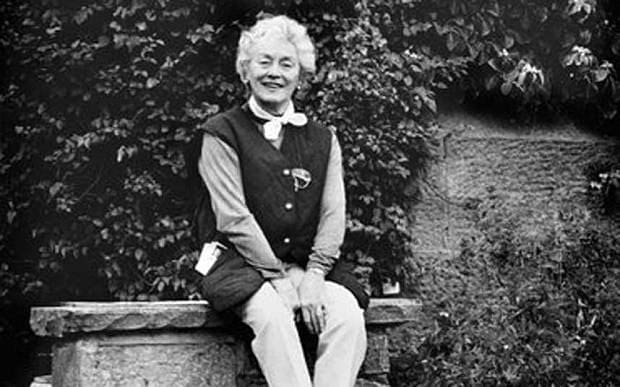
Most people who search for Lady Margot Cholmondeley arrive through one of two routes — either genealogy research or curiosity about her younger brother, David Cholmondeley, the 7th Marquess of Cholmondeley. She is a private individual, not a public figure with a media profile. But her place in one of Britain’s oldest aristocratic families makes her name appear regularly in peerage records and family history databases.
This article covers what is reliably known: her full name and birth details, her parents and siblings, her marriage and the name variation you may have already spotted in a genealogy search, her children as listed in structured records, and why she carries the title “Lady” in the first place. It also gives some background on the Cholmondeley family itself, which helps put all of this in context.
Who Is Lady Margot Cholmondeley?
Her full name is Lady Margot Lavinia Cholmondeley. She was born on 27 January 1950, according to Wikidata and The Peerage, both of which document her in their structured genealogical records.
She is an aristocratic family member, not a public personality. You will not find her in entertainment news or celebrity profiles. The interest in her comes almost entirely from people researching British peerage history or tracing Cholmondeley family connections.
It is also worth being clear about one thing upfront: Margot is not the Marchioness of Cholmondeley. That title belongs to the wife of the current marquess. Margot’s title, “Lady,” comes from her birth into a marquess’s family — a distinction explained in more detail below.
Her Parents — The 6th Marquess and Marchioness of Cholmondeley
Margot’s father was George Hugh Cholmondeley, 6th Marquess of Cholmondeley. Her mother was Lavinia Margaret Leslie, who became the Marchioness of Cholmondeley upon her marriage.
Both Wikidata and The Peerage confirm this family structure. Being born as the daughter of a marquess is significant in terms of British aristocratic titles — it is precisely why Margot is styled “Lady” rather than simply “Miss” or “Mrs.” More on that shortly.
The 6th Marquess was part of a long Cholmondeley line stretching back centuries. His family’s position in the British aristocracy was well-established long before Margot was born, which gives her background a depth that goes well beyond a single generation.
Her Siblings and the Connection to the 7th Marquess
Margot has three siblings listed in genealogical records: Lady Rose Aline Cholmondeley, Lady Caroline Cholmondeley, and David Cholmondeley.
David is the youngest and the most publicly known. He inherited the marquessate from their father and became the 7th Marquess of Cholmondeley. Wikipedia’s article on David Cholmondeley confirms that he has older sisters, including Margot.
It is worth noting that the marquessate passes through the male line. Margot could not inherit the title regardless of birth order. David, as the only son, was the one who succeeded to the marquisate. This is standard practice in British hereditary peerages of this type.
Many readers encounter Margot’s name simply because they were researching David or the broader Cholmondeley family — and her name appears in the sibling listings attached to those records.
Marriage and the Name Lady Margot Huston
Genealogical records identify Margot’s husband as Tony Huston. After marriage, she may appear in different records under variations such as Lady Margot Huston or Lady Margot Lavinia Huston.
If you have come across those names and wondered whether they refer to the same person — they likely do. The name change is simply a result of standard British aristocratic naming conventions.
Here is how it works: when the daughter of a duke, marquess, or earl marries, she keeps the courtesy title “Lady” before her first name. However, she takes her husband’s surname. So “Lady Margot Cholmondeley” becomes “Lady Margot Huston” after marrying Tony Huston. The “Lady” stays, but it now sits before her first name with her married surname following.
This is a naming convention, not a personal title she holds in her own right. It is a style granted as a courtesy because of her father’s rank. Genealogy databases can sometimes list the same person under both names, which explains the confusion some readers run into.
Her Children as Listed in Genealogical Records
Structured genealogical records list three children associated with Margot and Tony Huston: Mathew Huston, Laura Huston, and Jack Huston.
These details are drawn primarily from genealogy-style databases such as Wikidata. It is worth being transparent about that. Genealogy databases can be accurate and well-maintained, but they can also include contributed or copied information that has not been independently verified against primary documents.
The children’s names are listed here because they appear in consistent structured records, but no detailed biographical claims are made about any of them beyond what the records show.
Why Does She Hold the Title “Lady”?
This is one of the most common questions that comes up when people encounter her name for the first time.
In the British peerage system, the daughters of a duke, marquess, or earl are given the courtesy title “Lady” placed before their first name. This is not a peerage title in the legal sense — Margot does not sit in the House of Lords or hold a rank in her own right. It is a style of address, granted automatically by virtue of her father being the 6th Marquess of Cholmondeley.
This courtesy title stays with her for life, even after marriage. It moves with her first name, not her surname. That is why you will see “Lady Margot” rather than “Lady Cholmondeley” or “Lady Huston” — the latter forms would imply she is the wife of a lord, which is a different convention entirely.
The Cholmondeley Family — A Brief Historical Background
The Cholmondeley family has a very long recorded history. According to the National Archives, the family was established at Cholmondeley in Cheshire as far back as the 13th century. Over the following centuries, they accumulated estates in Cheshire, Denbighshire, Flintshire, and elsewhere through inheritance, marriage, and purchase.
Their aristocratic titles developed gradually over several hundred years:
- Viscount Cholmondeley — created 1661
- Baron Cholmondeley — created 1689
- Earl of Cholmondeley — created 1706
- Marquess of Cholmondeley — created 1815
The family is associated with two notable properties. Cholmondeley Castle in Cheshire is the family’s ancestral seat. Houghton Hall in Norfolk is another estate connected to the family — it came into the family through the first marquess’s connection to the Walpole family and the inheritance of that estate.
Both properties have become well known beyond genealogy circles, with Houghton Hall in particular attracting attention for its architecture and art. For anyone researching British aristocratic history more broadly, resources like Minify Business can help guide you toward reputable reference tools and databases.
This long history explains why the Cholmondeley name appears so frequently in peerage research and why a figure like Margot — private as she is — still draws search interest. The family is simply very well-documented over many centuries.
What Is Reliably Known — and What Is Not
To be straightforward: Margot is a private person. There is no verified public record of her professional life, charitable work, or current activities. Claiming otherwise would be speculation.
What is reliably documented through peerage records and structured genealogical sources includes:
- Her full name: Lady Margot Lavinia Cholmondeley
- Her date of birth: 27 January 1950
- Her parents: the 6th Marquess of Cholmondeley and Lavinia Margaret Leslie
- Her siblings: Lady Rose Aline Cholmondeley, Lady Caroline Cholmondeley, and David Cholmondeley, 7th Marquess
- Her husband: Tony Huston
- Her married name variations: Lady Margot Huston, Lady Margot Lavinia Huston
- Children listed in genealogical records: Mathew Huston, Laura Huston, Jack Huston
These are the facts that genealogy researchers and family historians are most likely to need. Anything beyond this — personality, opinions, lifestyle — would be guesswork, and this article does not go there.
A Note on Sources
The primary sources for this article are Wikidata, The Peerage, Wikipedia’s entry on David Cholmondeley, and the National Archives’ records on the Cholmondeley family. These are not all equal in authority. The National Archives represents primary archival
Read Also: