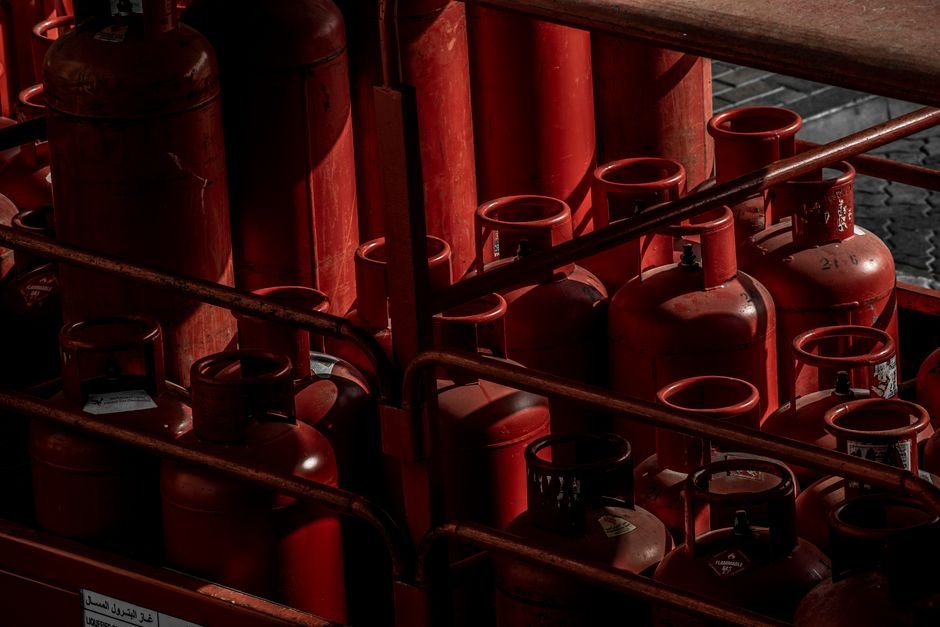
Ferrellgas has been a household name in propane distribution across the U.S. for decades. If you’re a business owner, operational manager, or simply a consumer depending on their services, recent financial headlines may have caused concern. Questions like “Is Ferrellgas going out of business?” are common—especially after news of bankruptcy and complex financial restructuring. Let’s clarify what has happened, what is currently in play, and what it genuinely means for you as a customer or potential investor.
Ferrellgas’ Bankruptcy and Restructuring
Start by understanding the exact nature of Ferrellgas’ bankruptcy. In June 2020, the holding company, Ferrellgas Partners L.P., defaulted on $357 million in maturing debt. This triggered a pre-packaged Chapter 11 bankruptcy filing in January 2021—not because the core operating business was collapsing, but because the parent entity needed to reorganize debt obligations.
Here’s why this matters: Chapter 11 is a restructuring tool. Its goal is to allow companies with reliable, ongoing operations to reorganize finances and continue service, rather than closing shop. In Ferrellgas’ case, the filing happened only at the holding company level. The main operating partnership, Ferrellgas L.P., never entered bankruptcy and kept operations running.
The process involved several big steps:
Establishing a new $350 million senior secured revolving credit facility to provide working capital.
Issuing $1.475 billion of new senior unsecured notes with maturities in 2026 and 2029. This refinanced old debt that was coming due.
Selling $700 million in senior preferred equity to raise capital and strengthen the company’s balance sheet.
The restructuring let Ferrellgas address its immediate financial emergencies. According to leadership and external reports, the process preserved its independence, kept jobs secure, and protected its employee stock ownership approach.
Continuation of Business Operations
Many people misunderstand bankruptcy as a sign that a company is closing its doors. In Ferrellgas’ situation, business at the operating partnership never stopped. The company kept distributing propane to homes, businesses, and retailers. The Blue Rhino propane tank exchange—a staple in many grocery and hardware stores—continued without any interruption.
Ferrellgas repeatedly communicated to customers, vendors, and partners that their services were not at risk. The company stated clearly in filings and public messages that its restructuring would “not inhibit Ferrellgas’ ability to provide propane to its customers.” Throughout restructuring, all regular business activities went on as usual.
For business owners or customers depending on timely propane deliveries, the main takeaway is this: there was no loss in service, no missed deliveries, and no reduction in customer support during or after the holding company’s bankruptcy.
Current Financial Health of Ferrellgas
Ferrellgas is still one of the largest propane distributors in the United States. The business serves hundreds of thousands of customers in all 50 states and Puerto Rico. Blue Rhino, its consumer propane exchange brand, operates at over 62,000 locations—a network that’s actually grown since restructuring.
Financially, there’s evidence of stability in many areas. In fiscal year 2022, Ferrellgas reported revenue around $1.8 billion and net earnings of $148.9 million. This marked its first profitable year since 2015, which shows progress and effective cost controls. Revenue remains high, and the company maintains strong distribution and logistics systems.
Business continuity and profitability are important signals for both customers and investors. It tells you that the company is still a force in the market and has the volume to back up its long-term deals and routine service.
Market and Trading Status
Ferrellgas’ financial story has had side effects for investors. The company previously traded on the New York Stock Exchange but delisted and now operates on the over-the-counter (OTC) market under the ticker FGPR. Shares can still be bought and sold, but these markets are less liquid and transparent than standard exchanges.
The capital structure following bankruptcy is more complicated than before. There are multiple classes of units and a significant amount of senior preferred equity, much of which sits at the operating-company level. For an investor, this raises the level of financial risk and means that Ferrellgas no longer fits the profile of a conservative, blue-chip stock.
These trading and structural changes don’t mean the company is going away, but they do signal that investment now carries higher risk and less predictability.
Ongoing Financial Challenges
If you look at Ferrellgas’ latest SEC filings—especially their June 6, 2025, quarterly report—you’ll see one phrase repeated: “substantial doubt about the Company’s ability to continue as a going concern.” This accounting term means Ferrellgas’ auditors and management recognize that, unless they refinance certain debts coming due in 2026, there’s real risk to the company’s future survival.
Here’s how to interpret it:
It’s not a shutdown warning, but a public acknowledgment of risk.
Management spells out action plans, including refinancing debt and adjusting credit facilities, to resolve these doubts.
Whether those plans succeed will depend on credit markets, the company’s continuing cash flow, and broader financial conditions.
If you’re tracking the propane market or looking at Ferrellgas as a business partner, it’s smart to review these filings from time to time. “Going concern” warnings are a legal requirement once certain risk thresholds are crossed, but not a death sentence for a well-run or strategically flexible company.
Analysis: Is Ferrellgas “Going Out Of Business”?
With these facts laid out, let’s directly answer the big question.
Ferrellgas is not currently going out of business. When the 2021 bankruptcy happened, it was handled as a financial reset, not a shutdown. The operating business continued serving all customers, delivered on contracts, and maintained its reach across the United States. Since then, revenues stabilized and profits returned for the first time in several years.
That said, ongoing warnings about “substantial doubt” show the financial risks remain real. The next couple of years are critical, with large amounts of debt set to mature in 2026. If Ferrellgas can refinance or pay down this debt—much as it managed in 2021—the business will likely survive and keep serving its customers. If not, the risk of operational disruptions could rise.
For anyone buying propane, the risk to your service remains low in the short term. Ferrellgas maintains supply chains, fulfills existing contracts, and continues growing its Blue Rhino presence. For investors, though, the story is different. OTC trading, complex capital structure, and going concern language mean that any money invested involves higher risk and less visibility than in the past.
As a business owner or decision-maker, treat Ferrellgas like any risky critical supplier. Keep communication channels open, have backup plans, and periodically check their financial disclosures for updates.
Practical Implications for Customers and Investors
If you rely on Ferrellgas for propane delivery, day-to-day disruptions are very unlikely right now. The company has a stated commitment to uninterrupted service, backed by years of performance, even during tough periods.
If you’re considering investing or already hold equity, pay close attention to the company’s disclosures and market position. OTC stocks can be volatile and harder to value, especially when layered with complex debt arrangements.
Whether you’re a service customer or an investor, these steps can help:
Define your key objective (service continuity, investment returns, or both).
Outline your non-negotiables (timely delivery, minimum financial stability, risk tolerance).
Set a regular check-in schedule for reviewing Ferrellgas’ disclosures and financial reports.
Where appropriate, consult your financial advisor or a business attorney, especially if large volume or asset values are involved.
For continued insights and business case studies on companies weathering tough times, you might check resources like Minify Business for updated strategies and expert analysis.
Conclusion
Ferrellgas is not currently going out of business. The company weathered a complicated bankruptcy and restructuring at its holding company level in 2021. Its core propane operations stayed intact, kept their scale, and even returned to profitability. Today, Ferrellgas remains a functioning, employee-owned propane distribution giant, although its financial future depends on successful refinancing of upcoming debt maturities.
Service to customers remains stable, while investor risk is higher than before. Whether you’re maintaining operations, choosing propane vendors, or making portfolio decisions, the critical step is to monitor developments, keep requirements clear, and base decisions on transparent data.
Business continuity, when tied to essential utilities like propane, depends on careful review and proactive engagement. That is the practical roadmap to manage risk and maintain success.
Read Also: