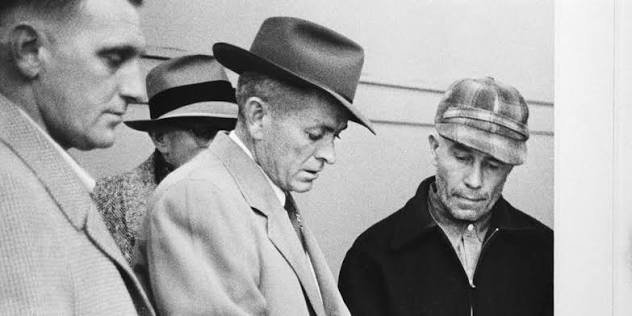
Henry George Gein remains a figure shrouded in curiosity due to his association with the infamous Edward Theodore “Ed” Gein. While less is documented about his life compared to his brother, Henry’s story is woven into the narrative of the Gein family history. Understanding his life requires acknowledging his integral family connections and the circumstances surrounding his unexpected death.
Family Background
Henry George Gein was born to George Philip Gein and Augusta Wilhelmine Lehrke Gein, setting the stage for a family dynamic that was both complicated and impactful. He was the older brother of Ed Gein, a fact confirmed by most reliable genealogical records and memorial documents. The family’s strong-rooted ties in Wisconsin provide context for understanding the environment in which Henry lived and later passed away.
Early Life
Born in La Crosse County, Wisconsin, in 1901, Henry’s early years were likely defined by the strict values and robust work ethic instilled by his parents. His father, George, had a reputation for being a hard-working man with strict religious beliefs, while his mother, Augusta, dominated the family dynamics with her fervent religious zeal and control. This domestic environment contributed significantly to shaping the early lives of both Henry and Ed.
Adult Life
As Henry moved into adulthood, he took on the life of a farmer, working diligently on the Gein family property in Plainfield, Wisconsin. Farm life was neither easy nor forgiving, requiring resilience and strength. Henry’s responsibilities on the family farm were typical for rural Wisconsin residents in the early 20th century. Described in records as a dependable worker, his routine centered around agricultural tasks and maintaining the household amidst growing family issues.
Death Circumstances
In 1944, an incident on the Gein family farm led to Henry’s sudden death. A fire broke out on the property, and following its conclusion, Henry’s body was discovered, marking a turning point in Gein family history. The death was officially ruled an accident, primarily attributed to asphyxiation caused by smoke inhalation. However, Ed Gein’s future criminal activities prompted speculations and rumors regarding his potential involvement in Henry’s death. Despite these suspicions, substantive evidence linking Ed to the incident remains absent.
Burial and Legacy
Henry was laid to rest in Plainfield Cemetery, a burial site that maintains his memory within the community. Unlike his brother, Henry’s legacy does not encompass infamous deeds, but rather the somber memory of a man whose life was cut short under mysterious circumstances. His role as Ed Gein’s older brother plays a significant part in historical accounts, providing additional context to the narrative surrounding Ed’s later actions.
Consider consulting a professional for further insights into the psychological implications of family dynamics similar to those in the Gein household. Understanding these complexities may offer broader insights into familial interactions and their potential influence on individual behavior.
Conclusion
Henry George Gein, while overshadowed by his brother Ed’s notoriety, played a key part in a family story marked by tragedy and intrigue. Born in 1901 and dying in 1944, his life encapsulates the struggles and expectations of a Wisconsin farmer operating under the pressures of a demanding home environment. Remembering Henry means acknowledging both his existence and the role he played within a family narrative that eventually unraveled into public scandal and historical infamy. In assessing his life, one gains a broader understanding of the complexities and ramifications of familial relationships and societal expectations during his time.
Read Also: