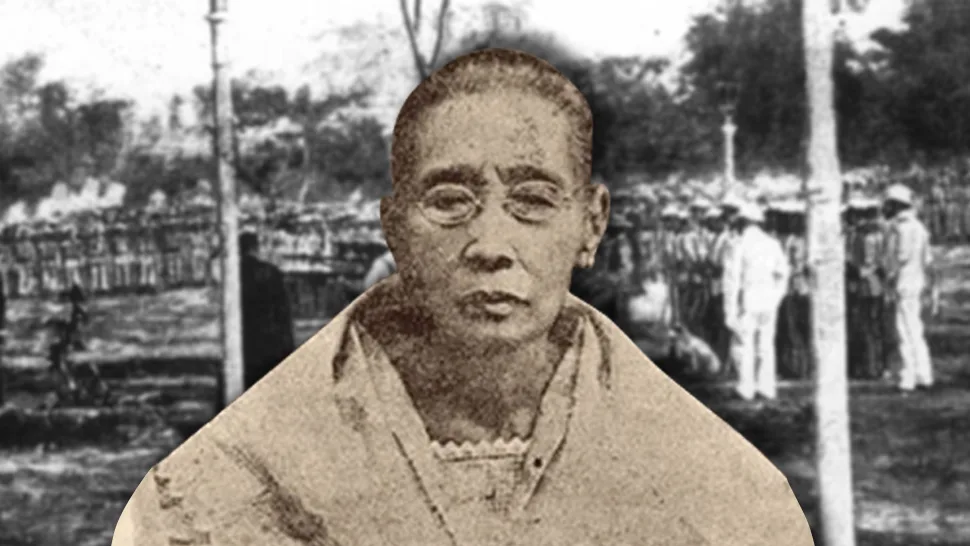
Teodora Alonso Realonda holds a significant place in Philippine history as the mother of José Rizal, the national hero esteemed for his role in advocating reform and inspiring the Philippine revolution against Spanish rule. Her influence on Rizal is profound, shaping his early educational environment and imbuing in him a sense of discipline and a thirst for knowledge that would become his hallmark. Teodora stands as a symbol of strong maternal influence, whose impact extended beyond her immediate family to the historical narrative of a nation striving for independence.
Early Life and Family Background
Teodora Alonso y Quintos was born on November 9, 1827, in Manila. Her maiden name hints at her mixed heritage, which was common in the Philippines during the Spanish colonial era. This diverse background played an essential role in the formation of her character and worldview. The Alonso family was known for its affluence, education, and involvement in community affairs. These factors undoubtedly influenced Teodora’s perspective and ambition, laying a foundation for her later endeavors as a mother and entrepreneur.
Marriage and Family
In 1848, Teodora married Francisco Engracio Rizal Mercado y Alejandro in Biñan, Laguna—a union that would see the birth of an extraordinary family renowned for its accomplishments and contributions. Together, Teodora and Francisco had ten children, each imbued with the values of diligence, education, and civic responsibility. Their children included José, the youngest and most famous, along with Paciano, Saturnina, and Trinidad, who each contributed to societal and familial responsibilities. The size of their family reflected the norm of the time, yet the achievements of the Rizal children were exceptional.
Influence on José Rizal
Teodora’s role in José Rizal’s early life was paramount. As his first teacher, her efforts went beyond the basics of literacy and arithmetic. She inculcated a love for learning and an awareness of socio-political issues from a young age. Her teachings laid the groundwork for Rizal’s later pursuits in education and literature. Teodora’s encounters with illness also sparked Rizal’s interest in medicine, further demonstrating her vast influence on his choice of career and broader intellectual pursuits. Her empowerment of Rizal with critical and independent thinking skills helped shape the visionary he would become.
Character Traits and Work Ethic
Teodora was a disciplined and business-minded woman, qualities that were not only pivotal in the household but also mirrored in her entrepreneurial ventures. She managed their farm and other family businesses efficiently, ensuring the family’s economic stability and affording her children the best possible education. Her capacity to balance family responsibilities with business affairs showcased her strong work ethic and contributed significantly to the family’s welfare and success. Teodora’s foresight and resourcefulness were integral in providing her children, especially José, with opportunities that would otherwise be inaccessible.
Later Years and Death
In her later years, Teodora Alonso continued to be a pillar of strength for her family. She lived to see the fruits of her efforts realized in the accomplishments of her children. Teodora passed away on August 16, 1911, in Manila and was laid to rest in Calamba, Laguna, where her legacy lives on in the minds of the many she influenced, both directly and indirectly.
Contested Details in Records
Historical documentation on Teodora Alonso presents some variations, particularly concerning her birthplace and age at death. Sources alternately cite Santa Cruz, Manila, and Tondo, Manila, as her place of birth, illustrating the inconsistency that sometimes accompanies historical records from the period. Similarly, discrepancies regarding her age at passing, either 83 or 84, arise from differing interpretations of birth and death dates. These contested details are reflective of the broader challenges in historical documentation during the 19th century in the Philippines.
Legacy and Recognition
Teodora Alonso Realonda’s legacy is vast and enduring. She is remembered not only as the mother of a national hero but also as a guiding force whose values of education, critical thinking, and responsibility continue to resonate. Her life exemplifies the critical role of family support systems in nurturing individuals who influence societal change. Today, her legacy is commemorated in various ways, as historical recounts of her life serve to inspire future generations. For those interested in a more detailed exploration of influential historical figures, resources are available through various educational platforms and historical archives. An example of such resources can be found here.
Conclusion
In summation, Teodora Alonso Realonda was a woman of unwavering influence, whose dedication shaped not only her family but also an entire nation’s history. Her contributions to José Rizal’s education and character demonstrate the profound impact of maternal leadership and guidance. Through her life’s work, Teodora exemplifies resilience and foresight, securing her place in the annals of history as more than just a mother to a hero. Her life offers valuable insights into the role of familial structures in shaping pivotal historical figures and serves as a testament to the timeless influence of strong, supportive maternal figures in history.
Read Also: