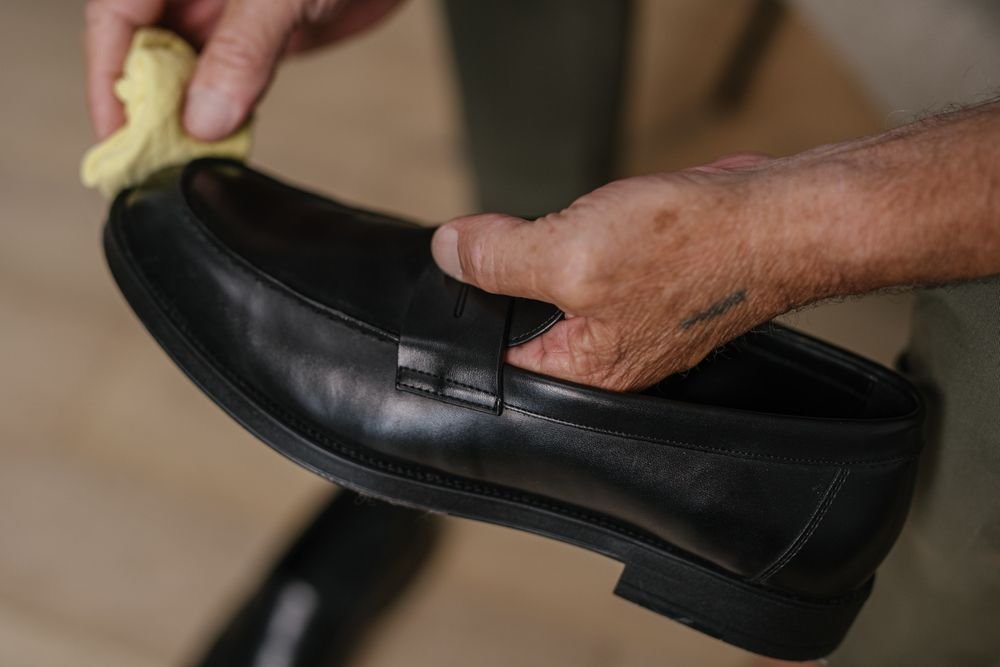
Kiwi shoe care, for decades known as the world’s top shoe polish brand, is facing major changes in 2024. The company’s products, from classic tins of polish to sprays and brushes, have long been part of shoe racks and closets everywhere. However, recent reports and statements by its owner, SC Johnson, confirm that Kiwi is no longer secure in all its traditional markets.
Many aspiring entrepreneurs and operational managers recognize Kiwi as an example of how consumer behaviors can shift quickly. Once, almost every household needed shoe polish for daily work and formal events. Today, with new fashions and relaxed dress codes, the demand looks much different. Let’s walk through what’s happening to Kiwi, what the official statements mean, and what business leaders can learn from this transition.
SC Johnson’s Decision: What We Know
SC Johnson, the parent company of Kiwi, made headlines in 2023 by acknowledging major changes to the brand’s future. In public statements, SC Johnson said it was “exploring options” for Kiwi. What does that look like? This phrase covers possible outcomes like selling the brand, limiting its reach, or shutting it down altogether in some places.
Several news outlets cited retailer notices and distributor updates showing that Kiwi was being discontinued in key regions. While SC Johnson has not announced a total global shutdown, direct statements point toward regional exits and an uncertain future in markets where formal shoe care demand is fading.
Here’s why this matters: If you run a consumer goods business, it shows how important it is to pay attention to both market habits and signals from ownership groups about long-term plans. Even iconic legacy brands must adapt or rethink their approach as consumer needs shift.
Market-Specific Developments: Where Is Kiwi Still Available?
Let’s look closer at the specifics by region. Knowledge of what’s really happening in each market can guide your own approach to product lines and strategic exits.
- United Kingdom: Reports confirm that SC Johnson fully exited the UK shoe care market, meaning that Kiwi is no longer distributed or sold through normal retail channels there. If you’re in the UK, stocking or buying Kiwi now involves sourcing old inventory or parallel imports—which has its risks and compliance issues.
- United States: In the U.S., several retailers were informed in late 2023 that Kiwi would be discontinued. News outlets cited a target date of June 30, 2024, for the end of general U.S. sales. If you walk into major stores or check their websites now, you’ll find Kiwi products are either out of stock or marked for clearance. For small businesses, this means adjusting supply strategies and preparing for high demand from customers loyal to the brand, at least in the short term.
- Other Regions: SC Johnson’s official position is that Kiwi will “remain active” in regions “where formal shoe care remains relevant.” In practical terms, this could mean some markets in Asia, Africa, or continental Europe keep their local Kiwi ranges for now. However, there’s no guarantee these regions won’t face future reviews, so ongoing monitoring is required.
If you’re relying on Kiwi for business operations in any country, routine supply chain checks and open communication with distributors are recommended.
Reasons Behind Exits: Why Is Kiwi Disappearing?
To understand why Kiwi is being withdrawn in such large markets, start by looking at demand patterns and cultural shifts. Shoes and how people care for them have changed drastically over the last generation.
- Changing Footwear Trends: Most consumers no longer wear leather formal shoes every day. Sneakers, loafers, and sandals dominate, making shoe polish a less essential product for daily upkeep.
- Workplace Dress Codes: Offices that once demanded polished shoes now allow business casual or even athletic footwear. This changes not only what people buy, but also what they need to maintain.
- Declining Demand: Retailers and suppliers have seen steadily dropping sales for shoe care products, including Kiwi, over several years. This makes it costly to keep the product range stocked and promoted in traditional ways.
Here’s how to approach shifts like this: Define your objective (is your business demand-driven?), outline changing customer requirements, and set timelines for regular product line reviews. Don’t wait for market exits to update your inventory or strategy. Kiwi’s case is a clear signal to keep your offering fresh, and to react before demand disappears.
Future of the Kiwi Brand: What’s Next?
SC Johnson’s latest guidance indicates they will limit Kiwi’s focus to select regions with remaining demand for formal shoe care. This means the company is not closing the global brand overnight. However, it is actively reducing its exposure by prioritizing or exiting certain markets.
- If you are a retailer or product distributor, expect continued uncertainty in regions where Kiwi remains for sale but might be reviewed next.
- If you are a business owner reliant on Kiwi-specific services or supplies, create a backup plan now. Identify alternative suppliers, similar brands, or ways to reposition your own offering if the product leaves your country.
Partial wind-downs like this show how parent companies manage declining segments without immediately erasing established brands worldwide. When possible, they preserve presence where it makes financial sense, while minimizing risks in stagnant or unprofitable geographies. Consider consulting a professional if your own business faces similar decline in a key segment.
Lessons for Entrepreneurs and Operators
Kiwi’s shift is a practical illustration of product lifecycle management—a concept that applies whether you run a legacy business or a recent startup. Here’s what stands out:
- Don’t Over-Rely on Legacy Demand: Just because people needed your product in the past does not mean they always will. Consumer habits, tastes, and cultural norms can change quickly, even for essentials like shoe polish.
- Read Market Signals Early: Public statements from ownership and supply chain alerts are key data points. Watch for notice of changes, both in official releases and in communication with your own distributors or customers.
- Plan for Supply Chain Adjustments: If you notice a critical good vanishing, do not wait for official discontinuation. Reach out to alternative suppliers, begin vetting comparable products, and communicate transparently with your customers so they can transition smoothly.
- Monitor Legal and Regulatory Risk: Brands may be available in some markets via parallel or grey imports after official distribution ends. If you choose to source Kiwi this way, maintain compliance with local laws and check quality and warranty terms.
How Does This Affect You?
Depending on your situation, this news might trigger immediate action:
– If you are a consumer loyal to Kiwi, consider stocking up now or testing alternative brands.
– If you operate a shoe repair, uniform supply, or cleaning business, review your supplier contracts and discuss future availability with your key partners.
– If your business supports similar legacy brands, use Kiwi’s experience as a benchmark for deciding when to innovate or pivot.
There is no need to panic, but timely decisions often set successful businesses apart during major industry transitions. If you want to see how other brands manage product phaseouts, resources at MinifyBusiness cover this topic with practical guides and industry examples.
Conclusion: What Is the Current Status?
Kiwi is going out of business in some key regions, with the UK and U.S. seeing full exits or confirmed discontinuation of retail sales by summer 2024. However, SC Johnson maintains Kiwi in select markets where demand justifies ongoing presence, so the answer is mixed—total shutdown is not yet global, but operational areas are shrinking.
Start by tracking the product status in your region. Expect continued consolidation as SC Johnson conducts further reviews. Stay connected to your local distributors and monitor changes actively.
What questions or concerns do you still have about Kiwi’s status where you live or do business? Share your observations and strategies with other readers below. Open dialogue is key for businesses navigating industry shifts with confidence and clarity.
Read Also: