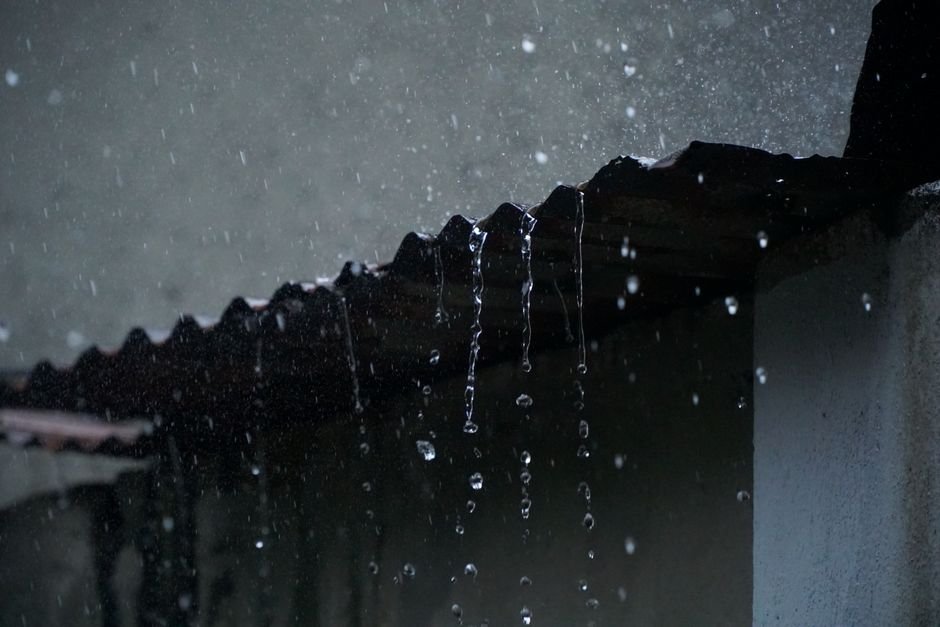
Rainhandler earned recognition as an innovative brand in the gutter and rain-dispersion industry. Its louvered aluminum rail system offered homeowners an alternative to traditional gutters by dispersing rainwater away from foundations. Over several decades, Rainhandler’s solution appealed to those seeking low-maintenance and visually discreet rain management for their properties.
Recently, questions have surfaced about Rainhandler’s business continuity. Many customers and contractors are asking if the original manufacturer is still operating, and whether Rainhandler products remain available. Reliable information is essential if you need replacement parts or are considering similar products for your own business or property.
Status of the Original Rainhandler Company
A variety of trusted sources provide a clear view into the business status of the core Rainhandler organization. Reviews from business analysis websites state plainly, “Rainhandler has gone out of business.” This conclusion rests on multiple findings: their official company website is now closed, and their social media accounts have shown no activity for an extended period.
Further checks show the company’s listings on major business directories have been marked as closed. For example, ARCAT, a prominent platform for architects and contractors, confirms that Rainhandler has been removed from its database. Only obsolete contact information remains, with no new product documentation. Community forums and trade discussion boards reiterate the same point. For example, users on popular roofing subreddits have confirmed that the founding company has ceased operations.
Reports from retailers also help paint a picture. Some big-box store sites, such as Home Depot Canada, still have legacy product listings referencing Rainhandler’s now-defunct website. These are best viewed as outdated references, not as evidence of ongoing operations.
For entrepreneurs, the lesson here is straightforward: even well-established niche brands can disappear suddenly, especially if newer or better-resourced competitors enter the market.
Verification from Business Directories: BBB and Local Listings
Business directories help confirm whether a company remains open, makes sales, and supports customers. For Rainhandler, listings on the Better Business Bureau (BBB) and review sites such as Yelp reveal signs of closure.
For instance, the BBB profile for a Rainhandler-affiliated gutter company in Tupelo, Mississippi, reports: “Believed to be out of business.” Incoming mail is returned, and there’s no current rating due to lack of operations. Meanwhile, a Rainhandler location in Houston, Texas, is shown as “Permanently closed” on platforms like MapQuest. Such records, stretching back as far as 2016, leave little doubt that these local companies have shut down.
What’s important to recognize is that, in many industries, a single “brand name” can be used both by local installers and national manufacturers. When both show as closed, it supports the conclusion that Rainhandler’s core business model—from production through distribution—has ended.
Entities Still Using the Rainhandler Name
You might spot listings for “Rainhandler” contractors or businesses in various U.S. regions. For example, the BBB shows an active listing for Rain Handler Gutter in Jacksonville, Florida, which notes more than forty years in business. Another “Rainhandler” business in Tomball, Texas, also appears on BBB, though without a public closure notice.
Here’s why this matters: these are almost certainly local contractors or small businesses that have adopted the Rainhandler brand or continue to offer installation of similar designs. They are not affiliated with, or supplied by, the original Rainhandler manufacturing company that went out of business.
If you are a small business owner, this demonstrates a common practice—retaining branding to signal a service style or legacy product, even after the main supplier is gone. For customers, it means installations may still be available, but warranties and parts support from the national manufacturer should not be expected.
Product and Market Availability
The availability of new Rainhandler products on the market is now very limited. The most frequent report from recent years is that Rainhandler systems are “absent from the market and unavailable.” Questions about “where to buy” or “alternatives to Rainhandler” turn up on home improvement forums and in contractor discussions. These threads usually cite challenges in finding either supplies or customer support.
Industry reviews mention financial pressures, supply chain disruptions, and increased competition as key factors leading to Rainhandler’s discontinuation. If your business model depends on unique, brand-specific supplies, such vulnerabilities are a reminder to plan for diversification and supplier changes.
Retailers with old inventory may still offer leftover Rainhandler kits or replacement parts. Occasionally, you’ll find listings from small distributors or contractors who previously installed the product. However, the regular production and direct sales channels from the original manufacturer have ended, making future restocks highly unlikely.
How Confident Can We Be in the Closure?
When considering business status, confidence comes from independent agreement among different sources. For Rainhandler, we see:
A closed, inactive official website.
Removal from major directories like ARCAT.
BBB reports listing entities as “out of business.”
Third-party forums and customer discussions about product scarcity and lack of support.
Legacy product pages referencing outdated contacts.
No recent or formal press statement has been issued by Rainhandler management. In practice, though, such formal notices are rare from small or midsize manufacturers, especially during financial distress. Here’s how to approach this kind of research: check primary business channels, review independent directories, and scan industry forums for recent consumer experiences. If all indicators point to inactivity and lack of support, you can safely conclude the business is closed.
Implications for Customers and Contractors
If you previously installed a Rainhandler system, or hoped to do so, several issues arise:
- New Products from Rainhandler:
It is no longer feasible to buy direct from the original manufacturer. This limits both availability for projects and support for existing installations. - Finding Old Inventory:
Some retailers, home improvement warehouses, or local contractors may still hold stock purchased before the closure. However, quantities will be limited and subject to unpredictable supply. - Services from Local Installers:
Local contractors operating under the “Rainhandler” name may offer similar installation, maintenance, or replacement. Confirm with the provider whether they’re using original parts, compatible alternatives, or bespoke solutions. - Warranty and Parts Support:
Without the national company in operation, manufacturer-backed warranties and technical support are unlikely. Maintenance will depend on local expertise, stock on hand, or designing workarounds. - Seeking Alternatives:
Roofing and gutter experts often recommend turning to seamless aluminum guttering or evaluating other rainwater management brands. Systems like LeafFilter, Gutter Helmet, and GutterGlove are widely distributed and fully supported, with ongoing product innovation.
If you’re planning a new project, review your options carefully. Gather reviews, weigh costs, and clarify warranty or parts arrangements. Consider consulting a professional if your property has specific drainage or design needs.
Choosing Your Next Steps: Practical Guidance
When a niche product goes off the market, uncertainty can affect both homeowners and industry professionals. Here’s how to approach the situation if you are directly impacted:
Define your objective: Are you seeking a direct replacement, an upgrade, or just routine service?
Outline requirements: Will you need compatibility with existing Rainhandler rails, or can you switch entirely to a new system?
Set timelines: If maintenance is urgent, prioritize solutions with ready availability and local installer support.
Evaluate alternatives: Compare cost, track record, and support options for competitor systems.
Maintain compliance: Ensure your chosen system meets local building codes and insurance standards.
For aspiring business builders, Rainhandler’s example shows both the power and limitations of niche innovation. Regularly reviewing supplier stability, tracking industry trends, and building backup options can help safeguard your own operations.
For further insights on managing risk and sustaining a small business through supply chain shifts, check industry discussions or get targeted advice from trusted resources such as MinifyBusiness.
Conclusion: Rainhandler’s Situation and Consumer Choices
All current evidence affirms that Rainhandler’s original national manufacturing company is out of business. Multiple Rainhandler-branded local entities in the U.S. are also marked closed by independent directories and reviewers. At the same time, some local contractors still use the Rainhandler name or sell off remaining inventory. For practical purposes, customers should not expect new, direct-from-company products or official support.
Moving forward, consider modern gutter and rain-dispersal alternatives that offer reliable warranty, parts access, and installation support. If you own a Rainhandler system, act early to secure any remaining parts or service expertise from local sources. Should you be planning new construction or renovations, treat this period as an opportunity to research robust, time-tested brands to protect your investment and property.
As business owners and decision-makers, it’s wise to set processes for regular supplier reviews and be nimble when the market shifts. Always align your vendor choices with current reality, customer needs, and the long-term integrity of your operations. Taking informed, timely action will help you manage transitions smoothly—whether you’re adapting your home, serving your clients, or building the next successful business in your sector.
Read Also: